
Giant knotweed found on residential property in Edmonton
This post was originally published on this site.


Edmonton, Alta. (Rural Roots Canada) – The Alberta Invasive Species Council (AISC) confirms Giant Knotweed has been found in an Edmonton neighbourhood.
In a social media post, the AISC says the plant was thought to be Japanese knotweed when it was discovered in 2025, but DNA testing confirmed it as Reynoutria sachalinensis, commonly referred to as giant knotweed.
The plant was found on a private residential property in the southeast Edmonton community of Maple Ridge. It’s unknown how the invasive plant arrived in Alberta, but the AISC says it was most likely intentionally introduced as an ornamental plant, either through an online or store purchase or transplant.

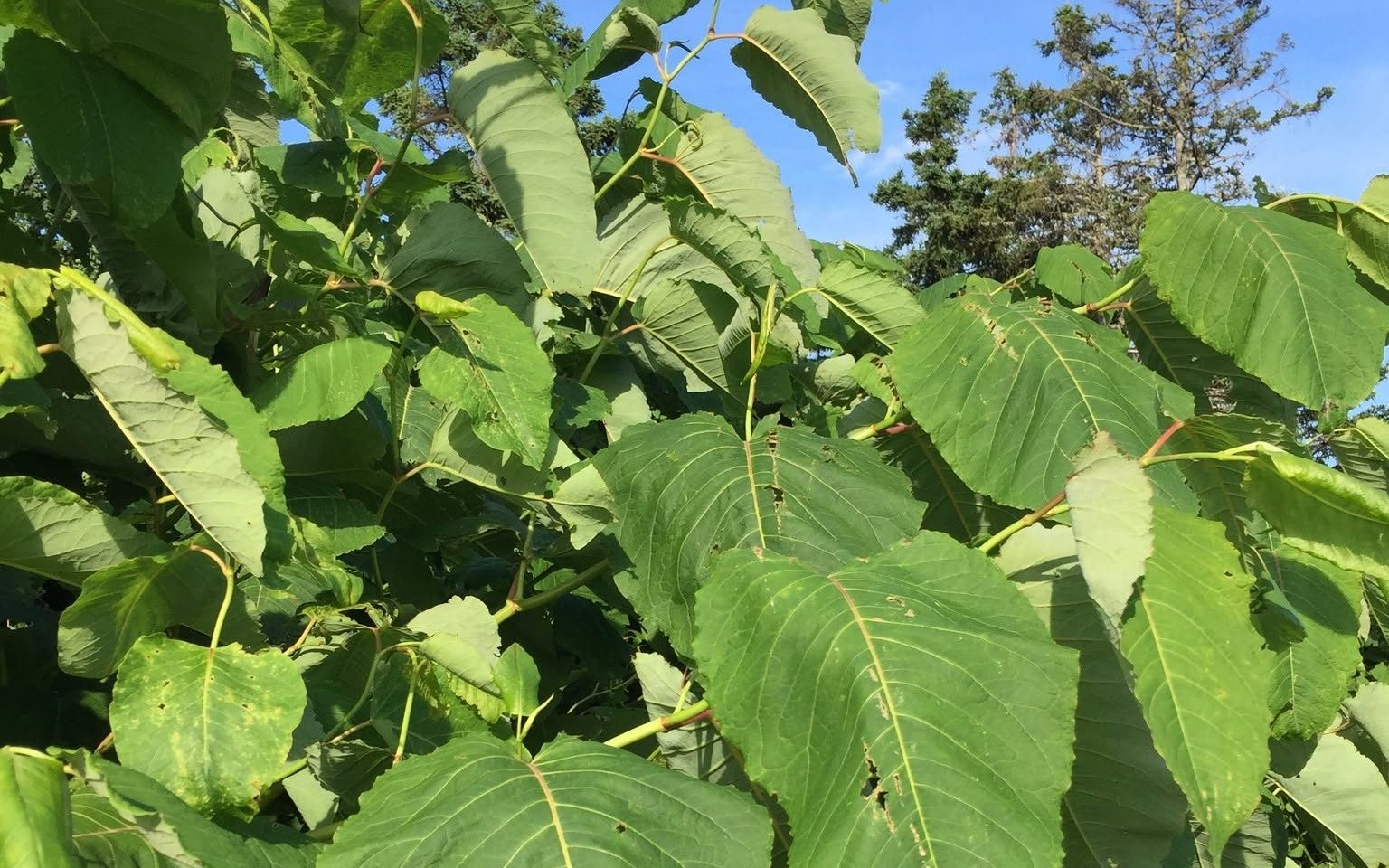
Giant knotweed is the largest of the knotweed species, with distinctly large, heart-shaped leaves. Once established, the AISC says it can spread aggressively through underground rhizomes, forming dense stands that can damage concrete and asphalt. It also crowds out native vegetation and is difficult and costly to remove.
The plant is listed as prohibited noxious under the Weed Control Act. At this time, this particular giant knotweed is limited to private property, but the AISC says early detection is critical to preventing its spread into Alberta’s natural areas and waterways, and it must be eradicated.
If you think you’ve spotted giant knotweed, the AISC says to take clear photos of the plant, record the location, and report it using the Early Detection and Distribution Mapping System (EDDMapS) app.
Photo Credit: AISC Facebook post
The post Giant knotweed found on residential property in Edmonton first appeared on Rural Roots Canada.