The one-year emergency use registration allows the application of 2% strychnine during the 2026 growing season. The decision comes following months of pressure from farmers, municipalities, and provincial authorities.
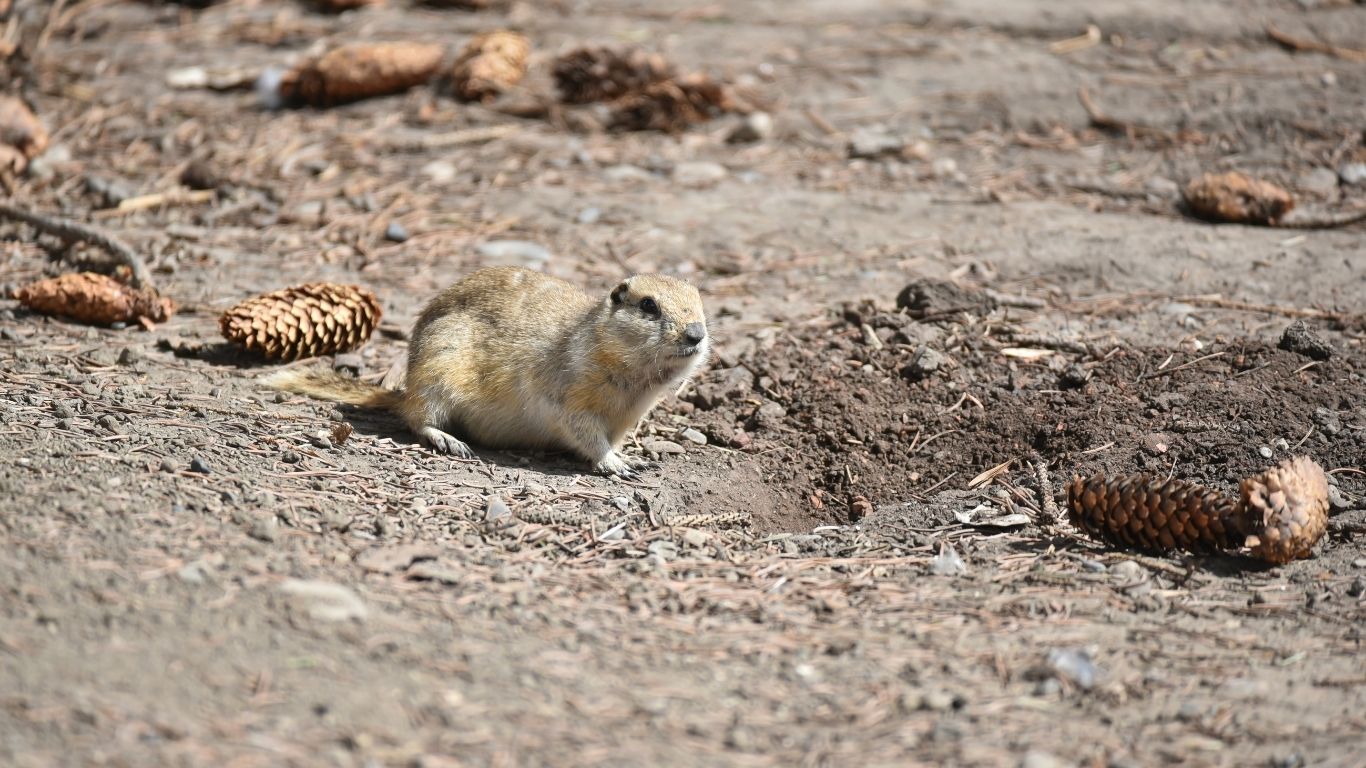
Producer organizations say the approval provides immediate relief for farms and ranches dealing with a growing gopher population that has threatened and damaged pastures and cropland, causing millions of dollars in damage.
With few practical alternatives, groups say strychnine remains the only proven method capable of addressing large-scale infestations.
The authorization by Health Canada follows sustained advocacy from Alberta’s agricultural sector, including efforts by Alberta’s Agriculture and Irrigation Minister, RJ Sigurdson, and David Marit, Saskatchewan’s Minister of Agriculture. The two provinces combined their efforts to engage their federal counterparts after earlier attempts fell short.
RELATED: Feds allow emergency use of strychnine in Alberta and Saskatchewan to deal with Richardson Ground Squirrel
Producers say the decision reflects both political pressure and on-the-ground evidence gathered over the past year, including data collected through farmer surveys conducted by agricultural service boards (ASB), which documented the extent of crop losses and raised concerns that existing alternatives were neither practical nor effective.
“We are pleased to have the Pest Management Regulatory Agency (PMRA) once again at the table working to respond to the current situation, and hope this is just the first step towards addressing this ongoing concern,” said Rob Siewert, chair of the ASB Provincial Committee. “What’s needed now is a long-term solution that works on farm, not just in the lab.”
Siewart also thanked farmers for their advocacy on the issue.
“We appreciate the farmers and producers that took the time to answer the surveys, which showed the on-farm impacts,” Siewert said. “Your responses helped capture the extent of the problem.”
While welcoming the decision, producer groups stress it’s a short-term measure.
They say strychnine should be viewed as one tool within a broader pest management strategy, and are calling for a long-term, science-based solution that is effective, cost-efficient, and environmentally responsible.
“Our position continues to be that Canadians need an effective, cost-efficient, and environmentally responsible method to control [Richardson ground squirrel] outbreaks,” said Siewert. “This was true in 1928, and it’s still true today.”
Producer organizations say they will continue to work with all levels of government to ensure ranchers and farmers have access to reliable tools that will help protect their operations into the future.